






WELL Water
TG 10 Wellbeing in Buildings, A BSRIA topic guide, written by Sorcha Redmond and published in January 20205 states:
The WELL Building Standard was developed by the International WELL Building Institute (IWBI a California-registered public benefit corporation) in 2013 and is now a globally recognised standard. It overarchingly aims to create environments that support the physical, mental, and social wellbeing of their occupants.
The WELL Water concept aims are threefold:
- Increase hydration in building users.
- Reduce health risks due to contaminated water and excessive moisture within buildings.
- Provide adequate sanitation through better infrastructure design and operations coupled with awareness and maintenance of water quality.
- Water is crucial for human health, but dehydration is common even when safe water is available.
- Improvements to drinking water quality in many countries delivered huge reductions in infectious diseases over the past century. However, some risks persist, whilst new risks emerge.
- Industrial, agricultural and pharmaceutical pollutant sources are increasing, with severe impacts possible.
- Water for HVAC systems, irrigation, pools and baths create concerns for contamination, such as the need to control Legionella in cooling systems and hot tubs. If water wets building materials that are not intended to get wet, it sets up prime conditions for mould growth.
--BSRIA
[edit] Related articles on Designing Buildings
Featured articles
Check out some of the best features and news from Designing Buildings as well as key stories from around the web.
Undervaluing our industrial past

Heritage value changes as taste for building styles changes.
Changing expectations around competence and compliance

New information sheet from CIAT.
Grenfell investigation files passed to CPS

Angela Rayner apologises on behalf of the British state.

Electrical contractors need to understand the practical implications.

The real barrier to getting more value from digital technology.

Your guide to The Construction Reset at UKCW Birmingham.

Accommodating the Victorian and Edwardian working woman. Book review.
Rethinking passive fire protection in design

PFP demands the same level of design rigour as structure or services.

38% of Gen Zs feel safe when a fire door is wedged open.
Stunning images from around the world
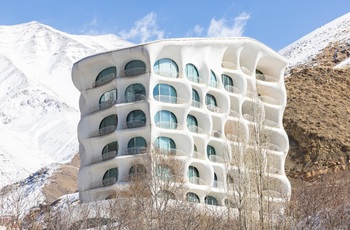
Shortlist for CIOB’s Art of Building photography competition.
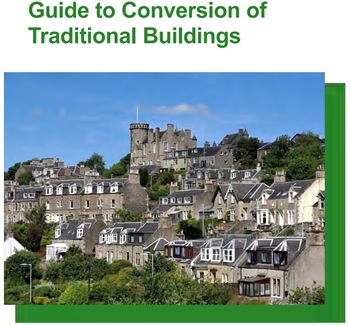
Guidance for conversion of traditional pre-1919 stone buildings.
Industrial heritage in the Ruhr
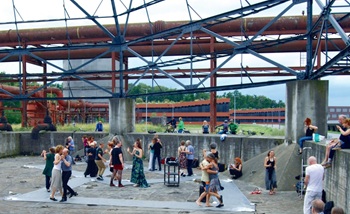
A marked difference to the fate of industrial landscapes in the UK.